
In today’s crowded marketplace, branding goes beyond a logo—it’s the core identity of your business. Whether you’re a startup or an established business, getting your branding right is crucial to stand out.
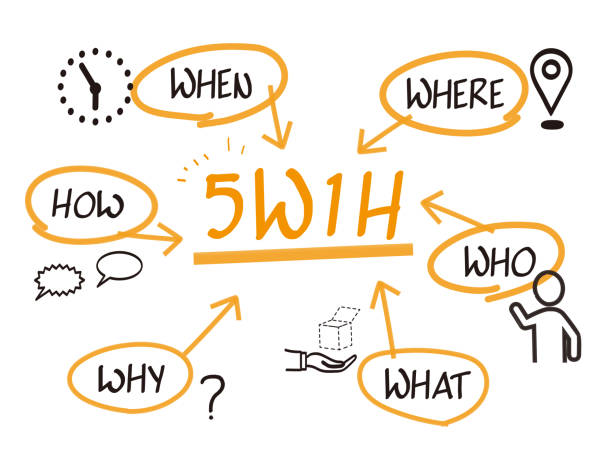
At Kreative Workz, we help businesses shape their brand identity by answering the 5W1H of branding—Why, Who, What, Where, When, and How.
Let’s explore how these key questions can guide you in building a successful brand that resonates, particularly in the Indian market.
Why? – Why Does Your Brand Exist?
Every successful brand starts with a clear purpose. The “Why” behind your brand defines why you exist and what problem you solve for your customers. This purpose is what sets you apart and helps customers connect with your mission on a deeper level.
Example:
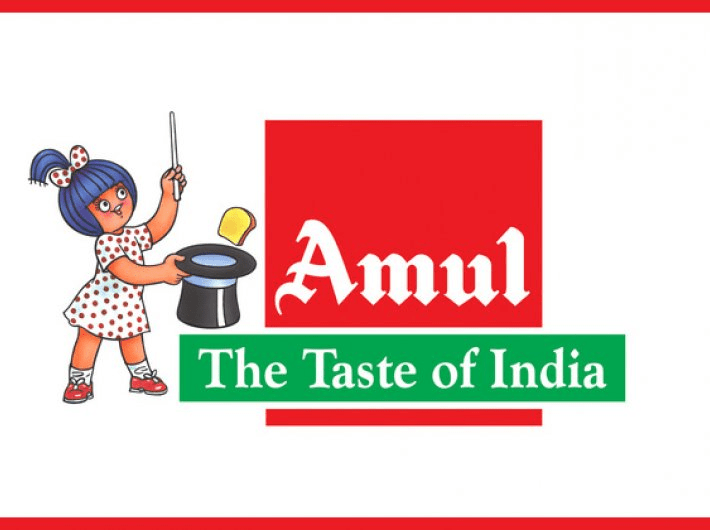
Take the case of Amul, a brand built with the purpose of empowering dairy farmers in India. Their tagline, “The Taste of India”, isn’t just a catchy phrase—it reflects their commitment to providing quality dairy products while supporting the livelihoods of millions of farmers. This strong sense of purpose has helped Amul become one of the most trusted and loved brands in the country.
Who? – Who Is Your Brand For?
Knowing your target audience is the foundation of successful branding. Who are your customers, and what do they care about? Defining your audience helps you craft messaging and visuals that resonate with them.
Example:
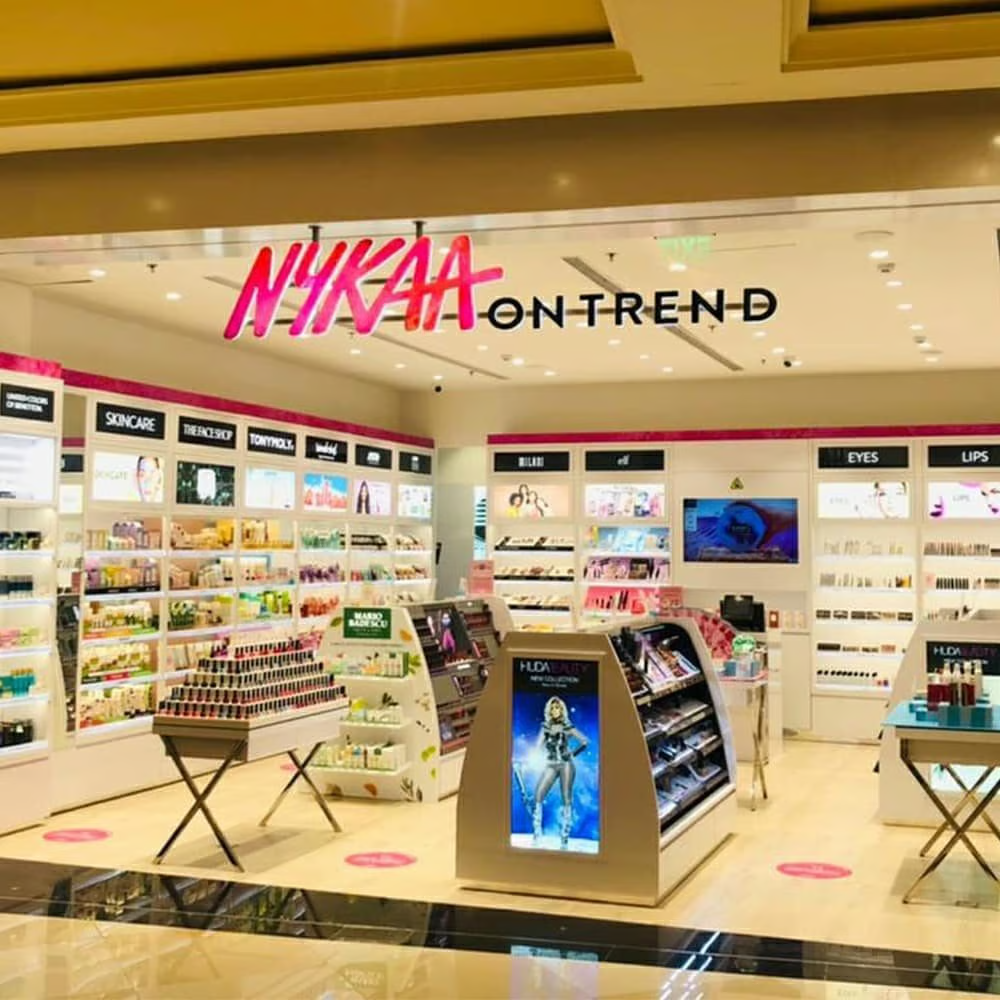
Consider Nykaa, India’s leading online beauty retailer. Nykaa identified its target audience as modern, tech-savvy women who value high-quality beauty products. By tailoring its brand messaging and product selection to this demographic, Nykaa became a go-to destination for beauty enthusiasts, growing from an e-commerce startup to a billion-dollar company.
What? – What Does Your Brand Represent?
Your brand is much more than the products or services you offer—it’s the values and experience that you deliver. Defining what your brand stands for helps communicate your identity and why it matters to customers.
Example:
Consider Fabindia, a brand that embodies traditional Indian craftsmanship and a commitment to sustainable living. Fabindia’s commitment to ethical sourcing and supporting local artisans is reflected in their products, positioning them as a brand that values tradition, sustainability, and quality. This clarity in what they stand for has earned them a loyal customer base.

Where? – Where Should Your Brand Be Visible?
It’s important to be present where your audience spends their time, whether it’s online or offline. This includes having a strong presence on social media, an intuitive website, and offline touchpoints like packaging or retail outlets.
Example:
Paper Boat, a beverage brand, leveraged a mix of digital marketing and offline visibility. From nostalgia-filled social media campaigns to quirky packaging in retail stores, Paper Boat made sure their brand was consistently visible across all channels. This multi-channel approach helped them connect with customers on a personal level, leading to their success in the highly competitive beverage industry.

When? – When Should You Engage with Your Audience?
Timing is crucial in branding. You need to decide when and how often to engage with your customers. Whether it’s through regular social media posts, seasonal campaigns, or timely responses to customer inquiries, staying relevant is key to keeping your audience engaged.
Example:
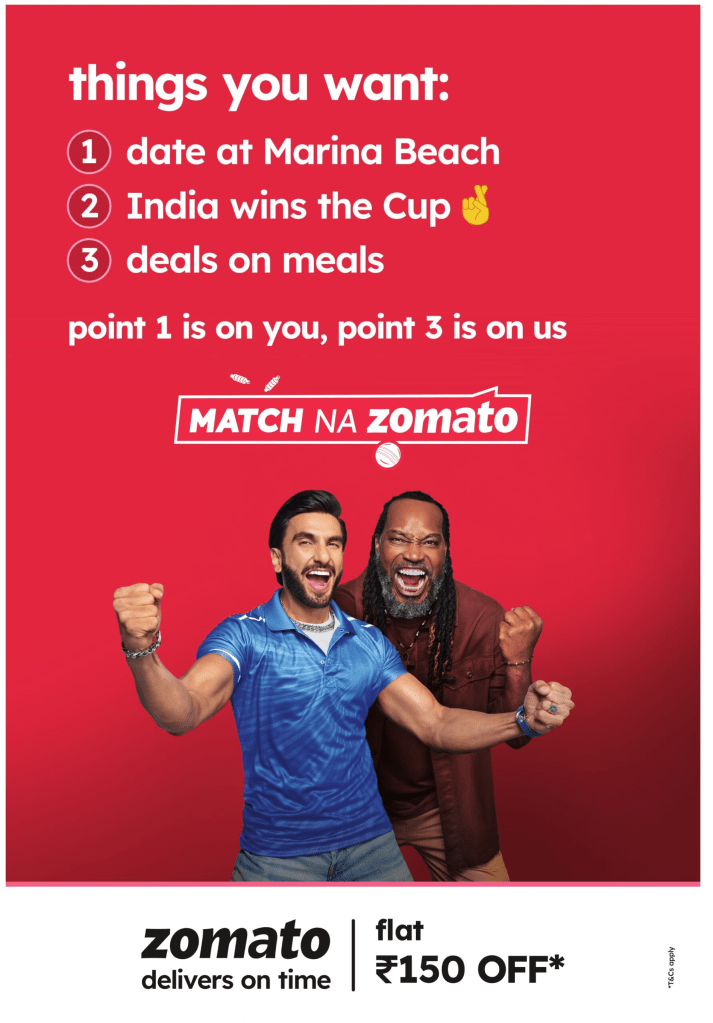
Take Zomato, for example—a brand recognized for its sharp and witty social media presence. Zomato frequently engages with its audience by responding to trends in real-time, launching offers during festivals, and running campaigns when people are most likely to order food. This timely engagement has helped Zomato become a household name in India.
How? – How Will You Communicate Your Brand?
Finally, the how involves the tools and strategies you use to communicate your brand. This includes logo design, color schemes, and brand messaging that align with your brand’s personality and values.
Example:
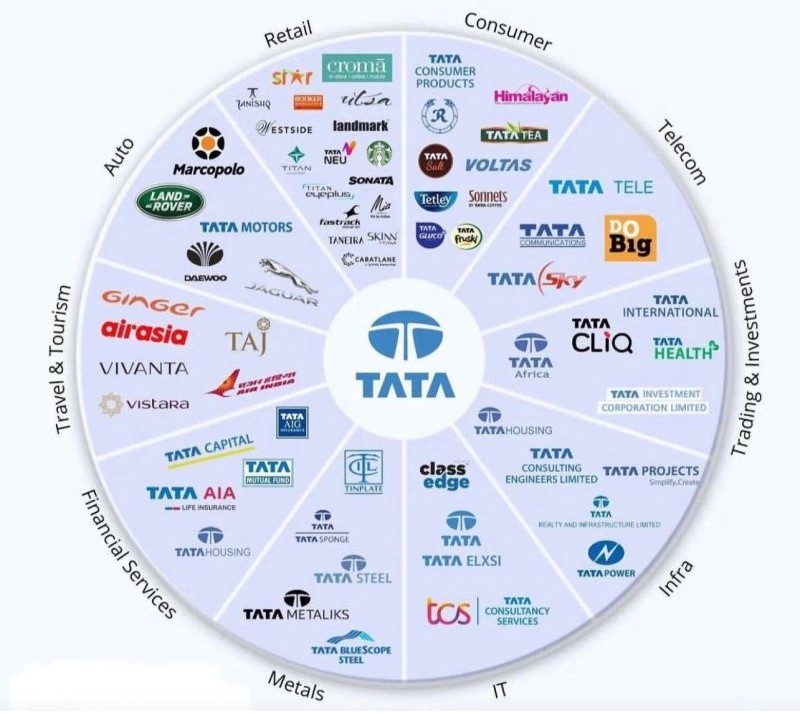
Consider Tata, a brand that has mastered the art of consistent communication. Whether it’s through their minimalist yet impactful logo or their tone of voice that emphasizes trust and reliability, Tata ensures that all customer touchpoints reflect their core values of ethics and sustainability.
Conclusion: Build Your Brand with Kreative Workz
By answering the 5W1H of branding, you can develop a brand that resonates with your audience, reflects your core values, and drives growth. From creating logos to crafting compelling brand stories, every element contributes to building a brand that stands out.
At Kreative Workz, we specialize in helping businesses create impactful and memorable brands that thrive in the Indian market. Whether you need support with product packaging design, social media management or brand identity design, we are here to turn your vision into reality.
Ready to build a brand that resonates?
Contact us at Kreative Workz today to start your branding journey!
 kreativeworkz.com
Leave a comment